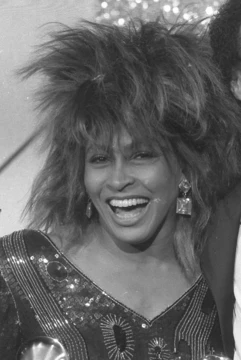
Ike & Tina Turner
Two voices, one revolution: the loudest, wildest rock-and-roll act America ever staged.

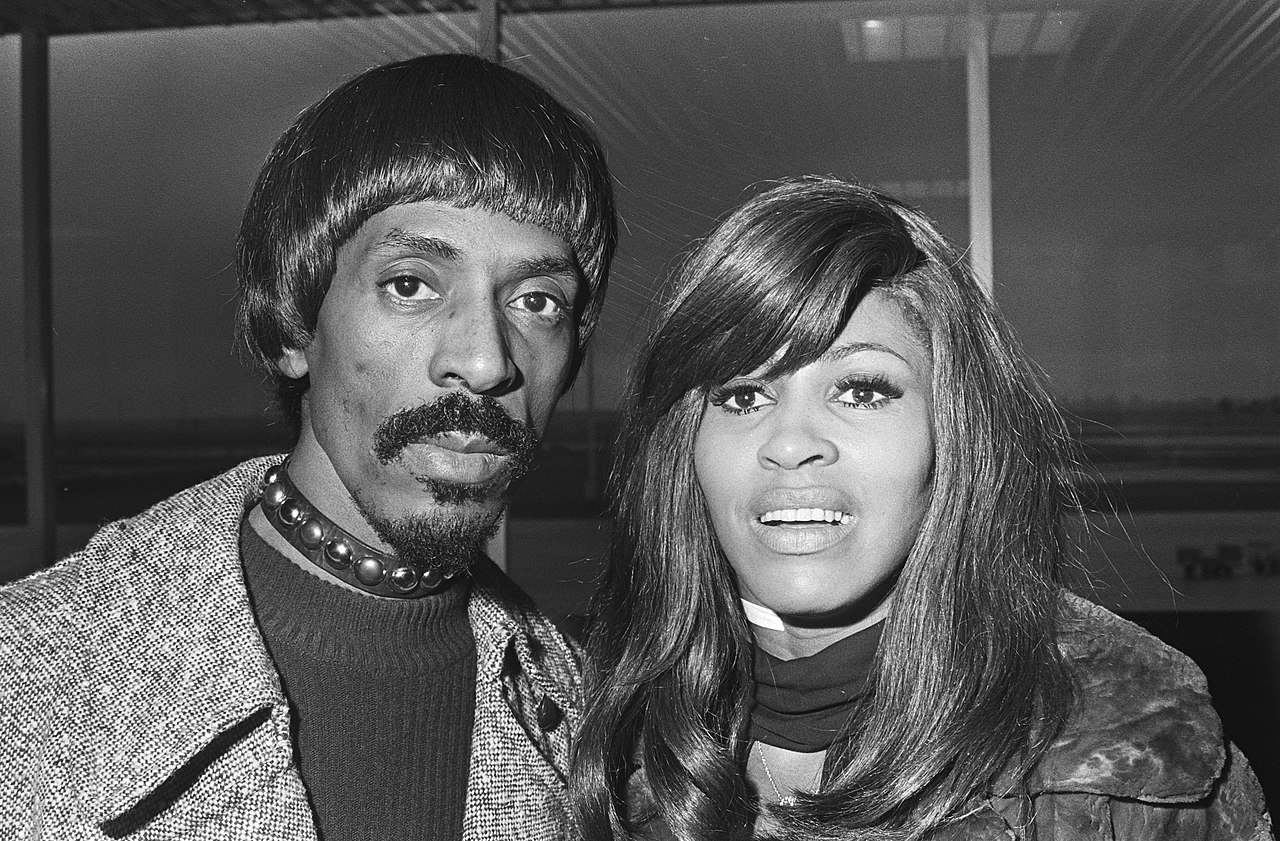
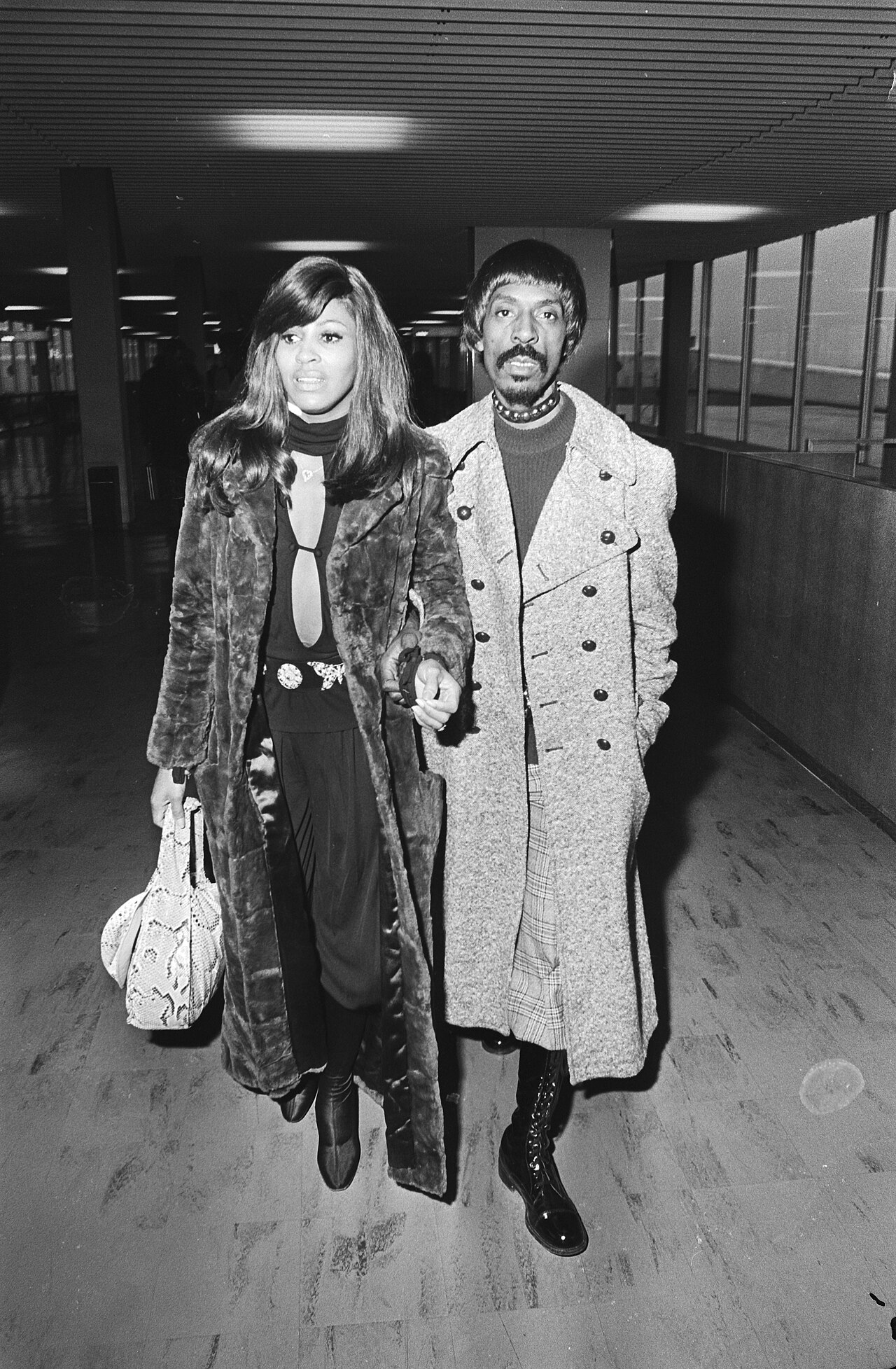
Anefo · CC0
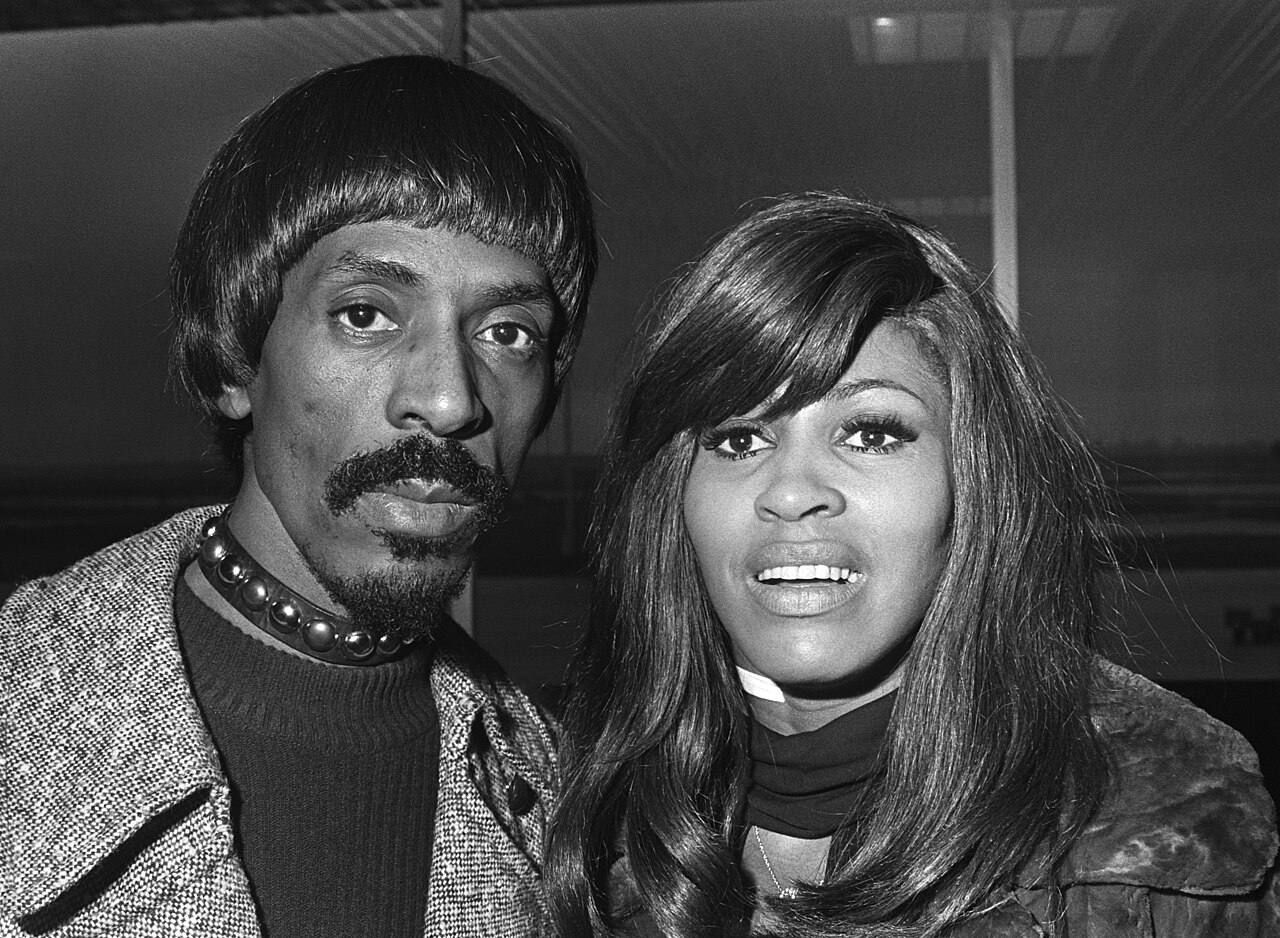
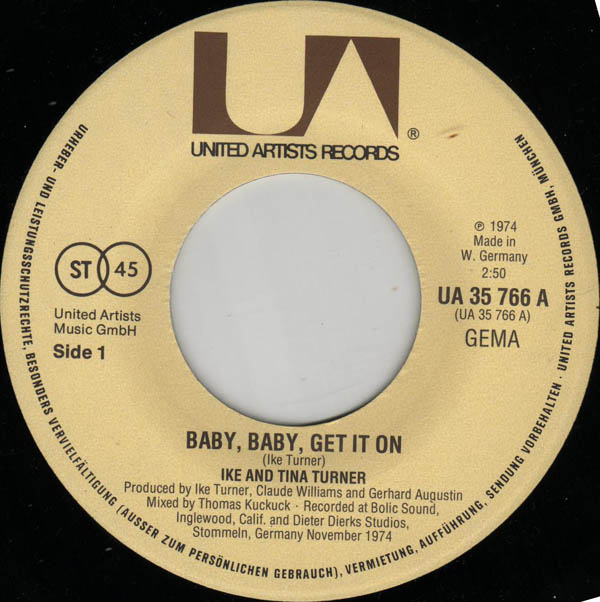
The Ike & Tina Turner Revue was the electrifying rock-and-roll partnership that defined American stage spectacle in the late 1960s and early 1970s. Formed in the early 1960s in the Memphis and St. Louis R&B circuits, the duo combined Ike Turner's gritty, horn-driven production with Tina Turner's raw, explosive vocal delivery and magnetic stage presence. Together they built a touring machine of dancers, backing singers, and a full band that redefined what a rock show could look and feel like. As a discography, the Ike & Tina catalog spans a handful of studio and live recordings issued primarily on United Artists Records, capturing a sound that blended rockabilly, soul, and blues into something aggressive and theatrical. Though the partnership dissolved in 1976, the recordings remain a cornerstone of the genre and a springboard from which Tina Turner would later launch one of the most celebrated solo careers in pop history.
- Act
- Ike & Tina Turner Revue
- Genre
- Rock and roll / R&B / Soul
- Primary label
- United Artists Records
- Formation era
- Early 1960s, Memphis / St. Louis circuit
- Breakup
- 1976
- Signature live hit
- "Proud Mary" (1971)
- Early landmark single
- "River Deep – Mountain High" (1966)
Lore & Background
The Revue was never just a duo on paper. Ike Turner, a prodigious bandleader and producer who had been shaping the Memphis sound since his teens, assembled a rotating cast of musicians, dancers, and backing vocalists around Tina's extraordinary gift. Tina, who had been singing under various names in small clubs before Ike noticed her, brought a physicality and vocal ferocity that no one in the R&B world had quite seen. Their on-stage chemistry—part call-and-response, part power struggle, part pure theatrical spectacle—became the template for what a rock concert could be. Musically, the Revue's recordings sit at a crossroads. Ike's production leaned on his signature boogie-woogie piano, thick horn stabs, and a relentless backbeat, while Tina's voice cut through with a rasp and range that bridged blues grit and pop melodrama. Tracks like "River Deep – Mountain High" showed a more orchestral, almost baroque side, while "Proud Mary" and the material on their early-1970s albums leaned into a harder, more rock-oriented groove. The live recordings, particularly the European concert albums, captured an energy that studio sessions could only approximate. The personal and professional entanglement of Ike and Tina was the defining tension of the era. Ike's control over the business, the band, and the stage was absolute, and Tina's eventual departure in 1976 marked not just the end of a musical act but the beginning of her own mythic solo journey. For fans, the Ike & Tina recordings remain a time capsule of a specific, unrepeatable alchemy—two artists at the peak of their collaborative fire, before the world learned what Tina could do entirely on her own terms.
In Their Own Story
The venue in Memphis was a converted warehouse, the kind of place where the floor still smelled of sawdust and the PA system was held together with gaffer tape and prayer. The crowd was a wall of black and white bodies pressed against the rail, and the air was thick with the particular humidity that made every shirt cling. Ike stood at the piano, his fingers already finding the boogie-woogie figure that would open the set, his eyes scanning the dancers who were stretching in the wings. Tina was backstage, still in her dressing robe, letting the Revue's backing singers warm up the room with a chant. Then the lights dropped to a single amber spot on the keys, and she walked out in that red dress, the one that always seemed to catch the light like a signal flare. The first note she hit—low, guttural, almost spoken—made the front row lean forward as one. By the second chorus, the floor was shaking. By the bridge, someone in the back was crying. And when she grabbed the mic stand and swung it like a scepter, the whole warehouse roared. That was the Revue. That was the thing you couldn't get on a record, the thing that made people drive six hours in a borrowed car just to stand in the back and feel the bass in their sternum.
Reader's Guide
The Ike & Turner studio output on United Artists is relatively compact, which makes each release feel like a distinct chapter. Early material, including the landmark 1966 single "River Deep – Mountain High," showcased Ike's producer's ear for orchestral arrangement around Tina's voice, giving the duo a more polished, almost cinematic sound that set them apart from the Memphis soul scene. By the early 1970s, the sound had hardened. Albums like "Ike's Vegas" (1971) and "The Book of Love" (1973) leaned into a driving, horn-heavy rock groove. "Proud Mary" became the signature live number, a track that turned every concert into a participatory event. Ike's production fingerprint—punchy backbeats, stacking of horns, and a tendency to let Tina's voice sit slightly ahead of the mix—was consistent across these records, giving the catalog a cohesive identity even as the songs varied in tempo and mood. The mid-1970s saw a shift as Tina's authorship and stage dominance grew. "Tina" (1975) and the live European recordings that followed highlighted her as the undeniable front-and-center force, with Ike's production serving her rather than the reverse. These records became the live staples: extended vocal runs, audience call-and-response, and the kind of physical performance that made a CD or vinyl feel like a fraction of the real thing. The breakup in 1976 effectively closed the studio chapter. What remained was a catalog that, while modest in quantity, captured a specific and irreplaceable fusion of rock energy and soul depth. For fans tracking Tina's artistic evolution, these records are the essential before-and-after: the collaboration that forged her, and the sound she would spend the rest of her career refining, expanding, and ultimately transcending on her own.
Did You Know?
- The Ike & Tina Turner Revue's live shows featured a full rotating cast of dancers, backing singers, and a large band, making each concert less a musical performance and more a full theatrical production.
- "River Deep – Mountain High" (1966) was initially a modest charting single but has since been recognized as one of the most distinctive and ambitious recordings of the 1960s, blending baroque orchestration with rock and
- After Tina Turner left the Revue in 1976, she spent years rebuilding her career from near-obscurity before her late-1980s solo comeback became one of the most extraordinary reinventions in pop history.
- Ike Turner's role as producer and bandleader meant that the Revue's studio sound was largely shaped in his Memphis sessions, while Tina's live recordings captured a different, more visceral version of the same songs.
The Duo Years and Early Career
Tina Turner first entered the recording world in 1958 with her single "Boxtop," and by 1960 she had joined Ike Turner's band as a background vocalist. That same year the two formalized their partnership as Ike & Tina Turner, and in 1962 they married, intertwining their personal and professional identities. The duo went on to produce a string of chart-topping songs on both the Billboard Hot 100 and R&B charts, with tracks like "A Fool in Love," "Proud Mary," and "Nutbush City Limits" becoming defining anthems of the era. Tina also made an early mark as a solo voice, releasing "Too Many Ties That Bind" in 1964 under Ike's Sonja Records imprint. However, the creative partnership dissolved in 1976, and the couple's marriage followed suit with their divorce in 1978, leaving Tina to forge an independent path in an industry that had long defined her through the duo's name.
The Solo Comeback
After the duo's breakup, Turner attempted to build a solo career on United Artists Records, releasing Tina Turns the Country On in 1974 and Acid Queen in 1975, followed by Rough in 1978 and Love Explosion in 1979. None of these albums found commercial traction, and she departed the label at the close of the decade. A turning point arrived in 1982 when she collaborated with the British electronic group B.E.F., leading to a UK contract with EMI and the Top 10 single "Let's Stay Together" in late 1983. Strong import sales in America caught Capitol Records' attention, and they released the track domestically, where it reached the Billboard Top 30 in spring 1984. That momentum carried into Private Dancer, released in May 1984, which became a global phenomenon. Its lead single, "What's Love Got to Do with It," held the number-one spot on the Hot 100 for three weeks. The album's success cemented Turner's status as a major solo force, and her resurgence is widely cited as one of the most remarkable comebacks in popular music history.
Commercial Legacy and Industry Recognition
Turner's discography encompasses nine studio albums, two live recordings, two film soundtracks, and seven compilations, a body of work that earned her the enduring title "Queen of Rock 'n' Roll." Estimates of her global record sales range from 100 to 150 million copies, with some claims stretching to 200 million, placing her among the best-selling female artists in history. The Recording Industry Association of America alone has certified ten million album sales in the United States. In the UK, she ranks among the top-selling female artists with 9.6 million units, and in Germany she has moved 6.3 million. Rolling Stone placed her at number seventeen on its list of the greatest singers of all time and number sixty-three among all artists. She also holds the distinction of being the first performer to chart a top-40 hit in seven consecutive decades in Britain. Private Dancer remains her biggest seller with twelve million copies worldwide, while Simply the Best stands as the eighteenth best-selling album by a woman in the UK, having shifted over seven million units globally.
Later Career and Final Chapters
Following Private Dancer's triumph, Turner expanded into film, co-starring with Mel Gibson in Mad Max Beyond Thunderdome in 1985 and scoring another international hit with "We Don't Need Another Hero." Her 1986 album Break Every Rule produced "Typical Male" at number two and "What You Get Is What You See" at number thirteen on the Hot 100. A massive 1987 world tour was documented in the 1988 live album Tina Live in Europe. Foreign Affair arrived in 1989, its title track "The Best" becoming a worldwide phenomenon and the album selling over 1.5 million copies in the UK alone. The 1991 compilation Simply the Best added another 2.4 million UK sales. After switching to Virgin Records, she contributed "I Don't Wanna Fight" to the 1993 biopic soundtrack and recorded the GoldenEye theme in 1995. Her final studio albums were Wildest Dreams (1996) and Twenty Four Seven (1999). She formally retired in 2009 after her 50th Anniversary Tour. Deluxe reissues of Foreign Affair and Break Every Rule appeared in 2020 and 2022, the latter being her last release before her death on May 23, 2023.
Gallery
More in Albums & Discography
Elsewhere in the Tina Turner universe
Spotted an error? Know more?
This is a living reference — every entry is fact-audited, and reader corrections feed straight into our audit queue. Suggest an edit · See this site's audit record