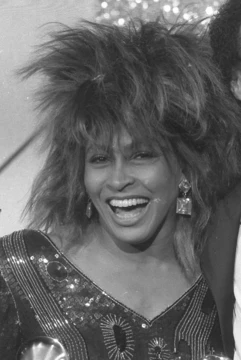
Ike & Tina Turner Revue
A thundering, theatrical R&B spectacle that turned one woman's voice into a cultural earthquake.

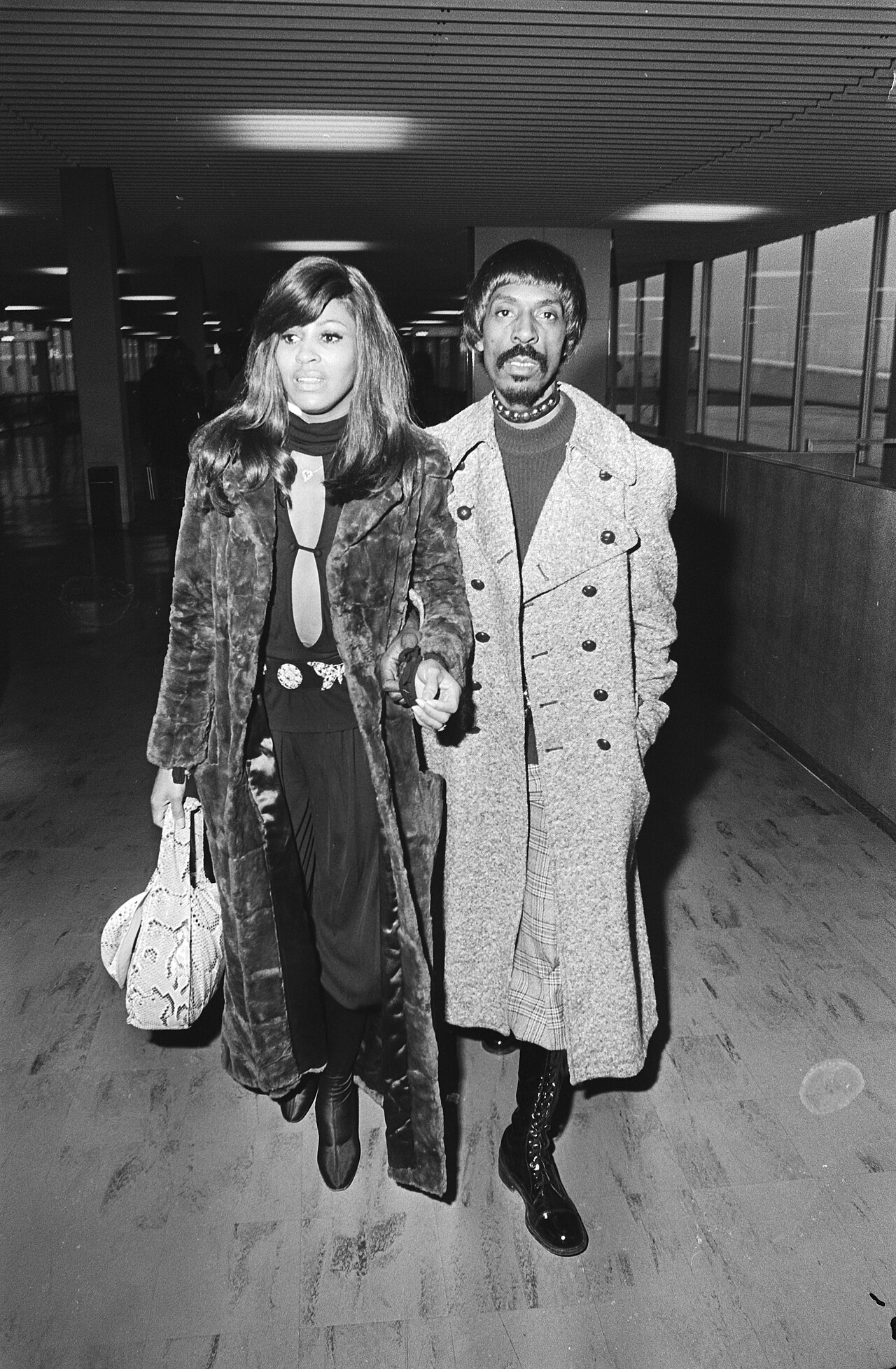
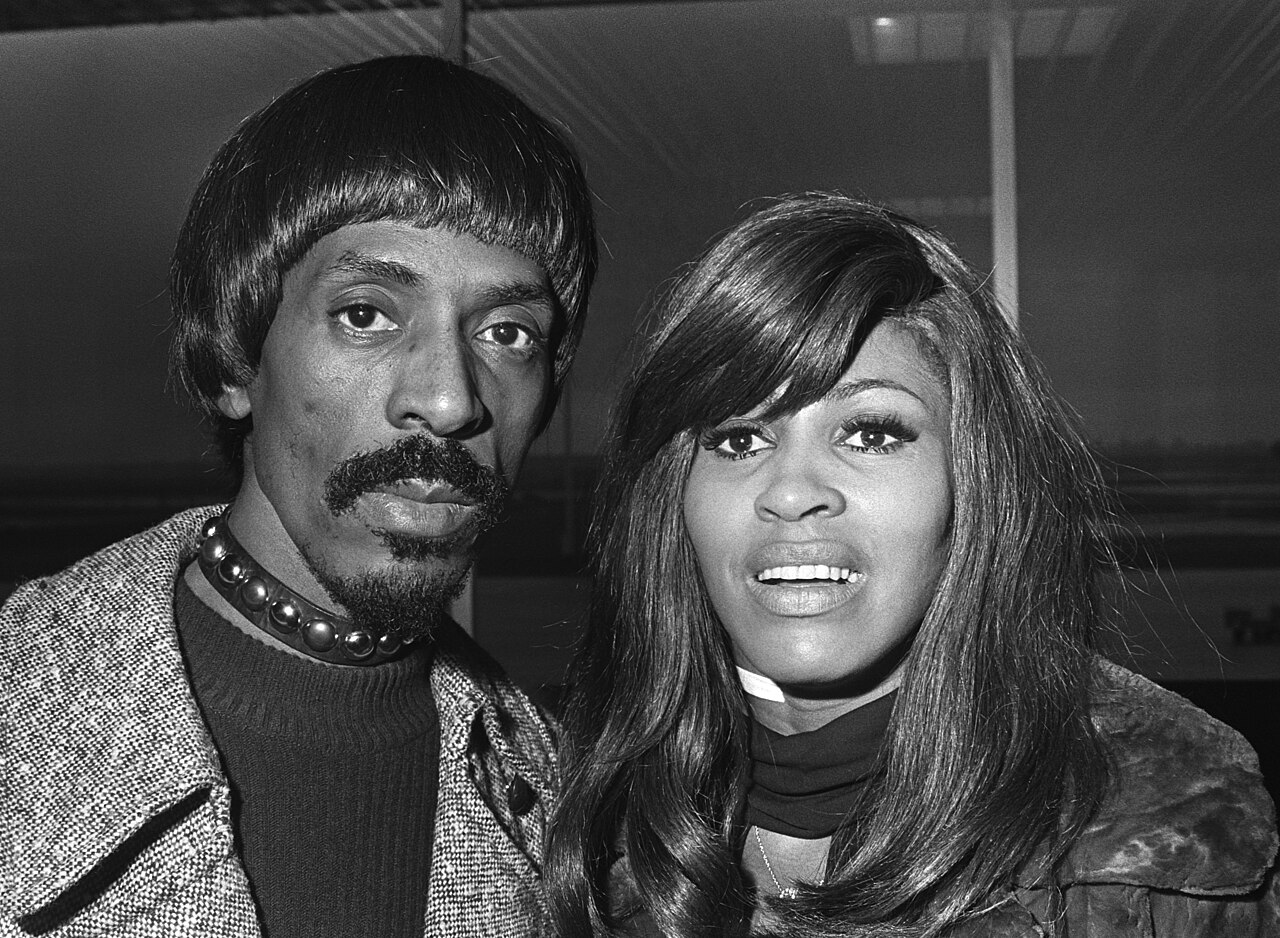
Anefo · CC0
The Ike & Tina Turner Revue was the full-scale musical and theatrical enterprise that transformed a young background singer from Nutbush, Tennessee, into one of the most physically commanding stage presences in American popular music. Formed in the St. Louis, Missouri club scene of the late 1950s and early 1960s, the Revue was never merely a duo. It was a rolling spectacle: Ike Turner at the helm as bandleader and songwriter, Tina (born Anna Mae Bullock) as the front-and-center voice and dancer, surrounded by a rotating ensemble of backup singers, dancers, and live musicians who turned every set into a high-voltage, almost violent display of rhythm and showmanship. For fans tracing Tina's journey, the Revue era is the crucible. It is where her raw, guttural vocal style was forged in the fires of the R&B and soul circuit, where she learned to command a stage through sheer physicality, and where the partnership that defined—and ultimately nearly destroyed—her public life took shape. The era's output, from the haunting baroque of 'River Deep – Mountain High' to the stomp-and-shout anthems of the early 1970s, remains a touchstone for anyone who believes a live performance can feel like a natural disaster.
- Formation location
- St. Louis, Missouri
- Formation period
- Late 1950s / early 1960s
- Genre
- R&B, Soul, Rock and Roll
- Key label association
- Stax/Volt Records (mid-1960s)
- Tina's birth name
- Anna Mae Bullock
- Signature recordings
- 'River Deep – Mountain High' (1966), 'Proud Mary' (1971), 'Nutbush City Limits' (1973)
- Era concluded
- 1976 (Tina's departure from the Revue)
Lore & Background
The Revue operated less like a conventional band and more like a traveling carnival of sound. Ike Turner, a seasoned bandleader and songwriter who had already moved through several cities and labels, built the ensemble around a core of dancers and singers who could sustain a forty-minute set of unbroken, percussive energy. Tina, who had joined his orbit as a background vocalist and dancer in her late teens, quickly became the visual and vocal focal point. Her style was unlike anything the R&B stage had seen: a combination of acrobatic movement, a voice that could snap from a whisper to a shriek, and an almost confrontational directness that made audiences feel they were witnessing something untamed. Musically, the Revue's output shifted with the labels and producers they worked with. In the mid-1960s, the Stax/Volt connection gave them access to a more polished, orchestral sound, producing the haunting, almost operatic 'River Deep – Mountain High,' a song that sounded like it belonged in a cathedral rather than a soul club. By the early 1970s, the sound had swung back toward a harder, more rock-influenced groove, and tracks like 'Proud Mary' and 'Nutbush City Limits' became anthems that crossed over into mainstream rock audiences. The Revue toured relentlessly, playing clubs, theaters, and festival stages across the country, and their reputation for a physically punishing, high-energy show preceded them. Behind the curtain, the partnership was as turbulent as the music was explosive. The personal and professional boundaries between Ike and Tina blurred and fractured repeatedly, a dynamic that fans have long recognized as both the engine of the Revue's intensity and the source of its deepest pain. The era's conclusion in 1976, when Tina walked away, marked the end of the Revue as a functioning unit and the beginning of one of the most remarkable solo reinventions in popular music history.
In Their Own Story
The marquee on the small St. Louis club read simply: IKE & TINA TURNER REVUE. Inside, the air was thick with cigarette smoke and the low thrum of a bass amp warming up. Tina stood at the edge of the stage in a sequined outfit that caught the single overhead spot, her hair a dark halo, her eyes scanning the crowd with the focused calm of a predator. Behind her, the dancers stretched and the backup singers hummed a low chord. Ike sat at the piano, fingers tapping a rhythm, calling out cues in a low murmur. The first downbeat hit and the room detonated. Tina's voice cracked open the air like a whip, and the dancers surged forward in a wave of synchronized motion. By the second chorus, the front row was on their feet, and by the bridge, someone had spilled a drink and nobody cared. When the final note rang out and Tina spun, arms wide, the silence that followed lasted exactly one heartbeat before the roar swallowed everything. She caught her breath, wiped her forehead with the back of her hand, and mouthed a single word to the band: 'Again.'
Reader's Guide
The Revue era begins in the smoky, competitive world of the St. Louis R&B circuit, where a young Anna Mae Bullock joins Ike Turner's band as a background singer and dancer. In those early years, the sound is raw, club-driven, and deeply rooted in the Memphis-and-St. Louis soul tradition. The ensemble is large, the shows are long, and the energy is physical—this is music you feel in your sternum before you hear it in your ears. The mid-1960s bring the Stax/Volt connection, and with it a brief, luminous detour into more polished, orchestral territory. 'River Deep – Mountain High' (1966) is the era's most striking outlier: a baroque, almost sacred sound that showcases Tina's vocal range in a way the club sets never could. It is a song that belongs to no single genre, and fans often point to it as proof that the Revue's creative ceiling was far higher than the commercial formula they were expected to hit. By the early 1970s, the sound hardens and broadens. 'Proud Mary' (1971) and 'Nutbush City Limits' (1973) anchor a period where the Revue becomes a crossover phenomenon, pulling rock audiences into soul clubs and vice versa. The stage show reaches its most elaborate form: more dancers, bigger costumes, a set list that blends slow, aching ballads with explosive, dance-floor-busting numbers. The emotional arc a fan traces through this era is one of awe followed by grief. The music is extraordinary, the performances are legendary, and the personal cost is staggering. The era closes in 1976 with Tina's departure, leaving behind a body of work that still crackles with electricity—and a silence where her voice used to be.
Did You Know?
- The Revue's stage show was deliberately built to resemble a full theatrical production, with choreographed dancers, backup vocalists, and a live band, making it more of a 'revue' in the vaudeville sense than a simple duo
- 'River Deep – Mountain High' was recorded during the Stax/Volt period and has a sound so ornate and operatic that it often surprises listeners who associate the Revue primarily with hard-driving R&B and soul.
- Tina was born Anna Mae Bullock in Nutbush, Tennessee, and the song 'Nutbush City Limits' directly references her hometown, giving the track a deeply personal layer beneath its party-anthem surface.
- The Revue's touring schedule in the 1960s and 1970s was grueling, with the ensemble performing multiple sets in a single night at clubs and theaters, a pace that demanded extraordinary physical stamina from every perform
The St. Louis Spark: How a Duo Was Born
In 1954, bandleader Ike Turner traveled to St. Louis to visit his sister, and the trip reshaped his career. He brought his ensemble, the Kings of Rhythm, to perform in the East St. Louis club scene, where they quickly became one of the region's most sought-after live attractions. Around the same time, a young Ann Bullock had relocated from Brownsville, Tennessee, and began frequenting Club Manhattan, a predominantly Black nightclub. There she first witnessed Turner's organ work and was so captivated she described feeling as though she "almost went into a trance." After the band's drummer Eugene Washington handed her a microphone during a performance of B.B. King's "You Know I Love You," Turner was struck by the power of her voice despite her slender frame. By the end of that night, the still-high-school-aged Bullock had joined the Kings of Rhythm. Over the following years, Turner trained her in vocal control and stagecraft, and their bond deepened from something resembling a sibling friendship into a romantic relationship. By January 1960, she was pregnant, and the pair's professional and personal lives had become inextricably intertwined.
The Revue: A Live Phenomenon
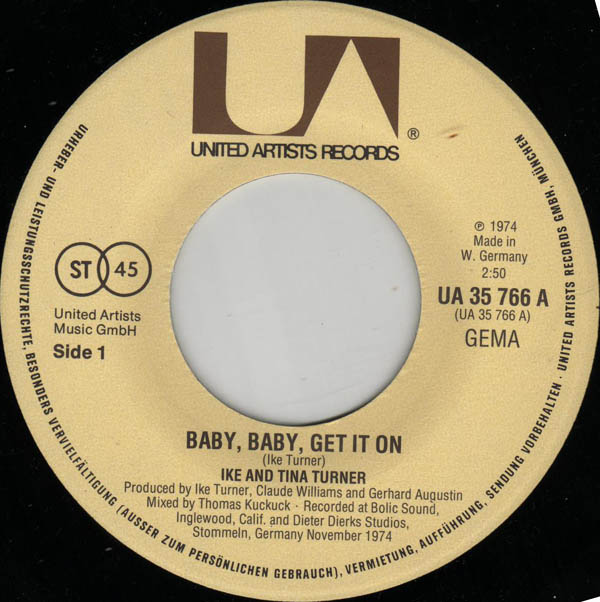
From 1960 through 1976, the Ike & Tina Turner Revue became one of the most electrifying live experiences in American music. Backed by the Kings of Rhythm, a male vocalist, and the three-woman group known as the Ikettes, the show moved audiences in ways critics described as nothing short of potent. Their early catalog produced a string of R&B chart successes, including "A Fool In Love," "It's Gonna Work Out Fine," "I Idolize You," "Poor Fool," and "Tra La La La La." The 1966 release of "River Deep – Mountain High" opened European doors, and a subsequent tour alongside the Rolling Stones cemented their continental following. In their later years, the duo reimagined rock standards through a soul lens, delivering interpretations of "Come Together," "Honky Tonk Woman," and "Proud Mary," the last earning them a Grammy in 1972. Their 1974 international hit "Nutbush City Limits" brought the first-ever Golden European Record Award. Across dozens of albums, with Workin' Together topping their chart performance, the pair sold more than ten million records worldwide before their partnership dissolved.
Post-Divorce Trajectories and Final Chapters
The marriage that fueled the Revue was, by all accounts, deeply turbulent, and the duo officially disbanded in 1976. What followed were two remarkably different second acts. Tina Turner launched a solo career that earned widespread critical acclaim, redefining what was expected of a former duo vocalist. Ike, meanwhile, eventually found a renewed sense of artistic purpose by returning to the blues roots that had first shaped his musical identity. Their personal histories, however, carried weight beyond the stage. Ann Bullock's first child, Craig Raymond Turner, born in 1958 to her then-boyfriend Raymond Hill, passed away in 2018. Ike Turner died on December 12, 2007, at the age of seventy-six. Tina Turner followed on May 24, 2023, at eighty-three. The violent incident Tina recounted—being struck in the head with a wooden shoe stretcher after she voiced doubts about continuing their relationship—remains a stark reminder that the glamour of the Revue coexisted with profound personal suffering.
Institutional Recognition and Enduring Legacy
Decades after their final performance together, Ike & Tina Turner have secured a permanent place in music's pantheon. In 1991, the Rock and Roll Hall of Fame inducted the duo, acknowledging their influence on the trajectory of soul and R&B. Two of their singles, "River Deep – Mountain High" and "Proud Mary," were enshrined in the Grammy Hall of Fame, a distinction reserved for recordings of lasting significance. Rolling Stone magazine placed them at number two on its list of the twenty greatest duos of all time, a ranking that underscores their singular chemistry. Pitchfork included their album River Deep – Mountain High among the finest of its era. Journalist Kurt Loder, writing about "A Fool In Love" in 1960, called it the most unapologetically Black record to cross into the white pop charts since Ray Charles's "What'd I Say" the previous summer—a description that captures the duo's role as leading exponents of soul music. Their story, from a no-show recording session in St. Louis to a national television debut with Tina eight months pregnant, remains one of rock and roll's most compelling origin narratives.
Gallery
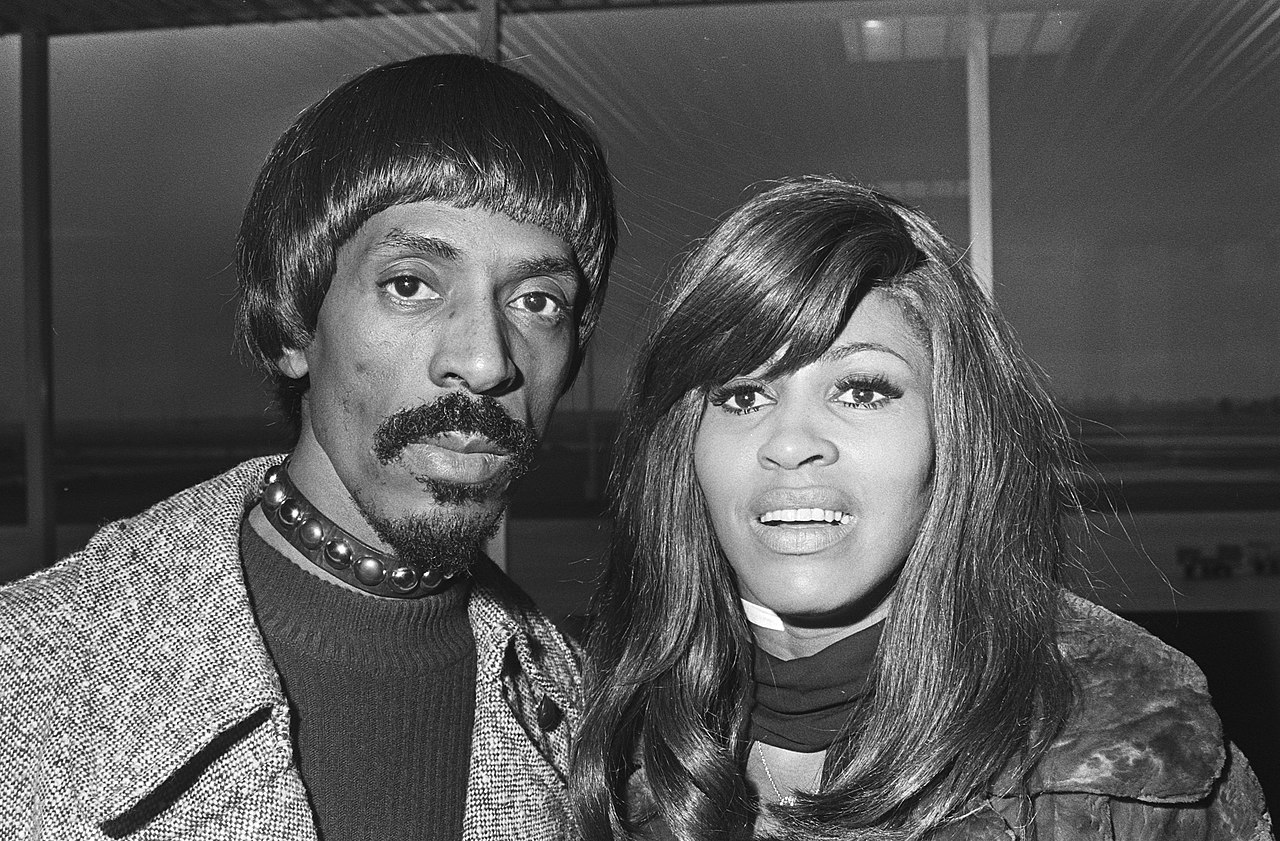
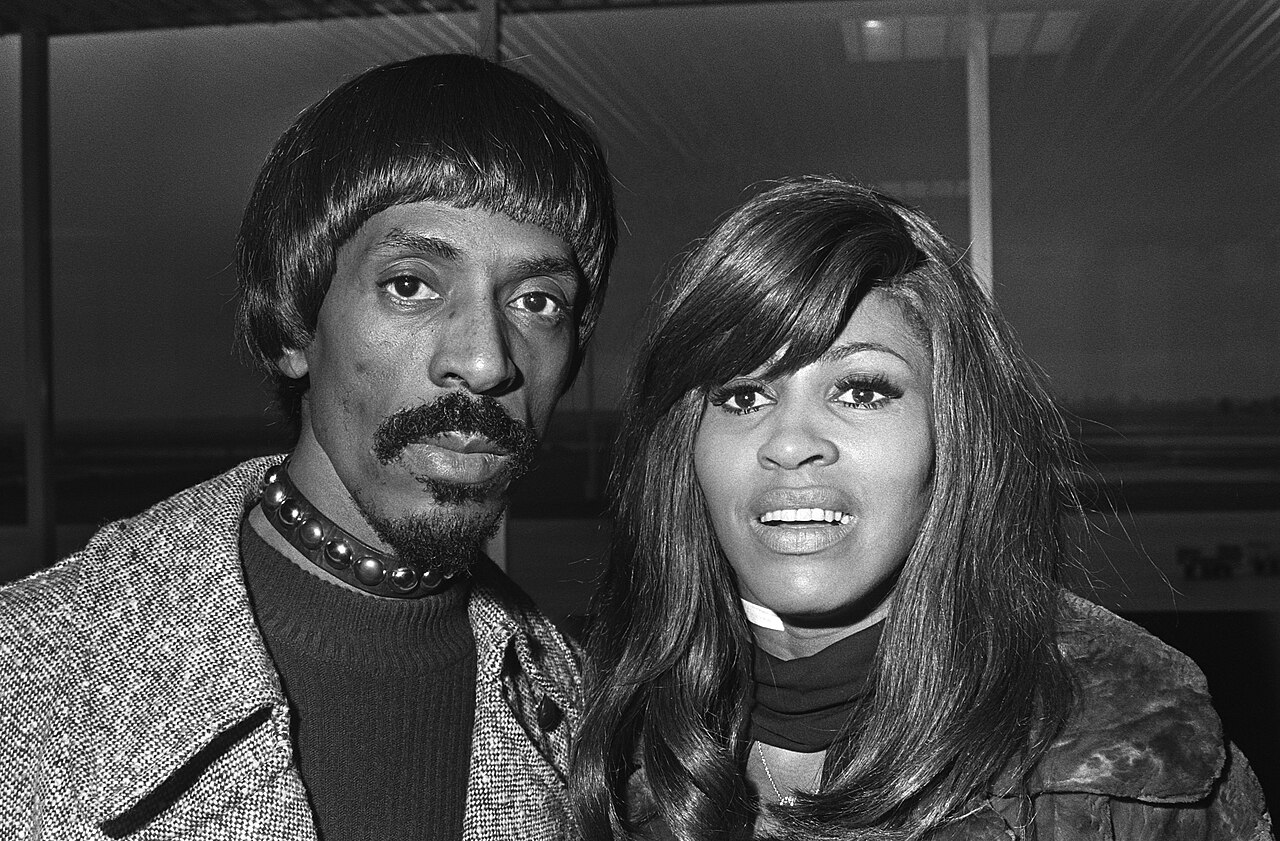
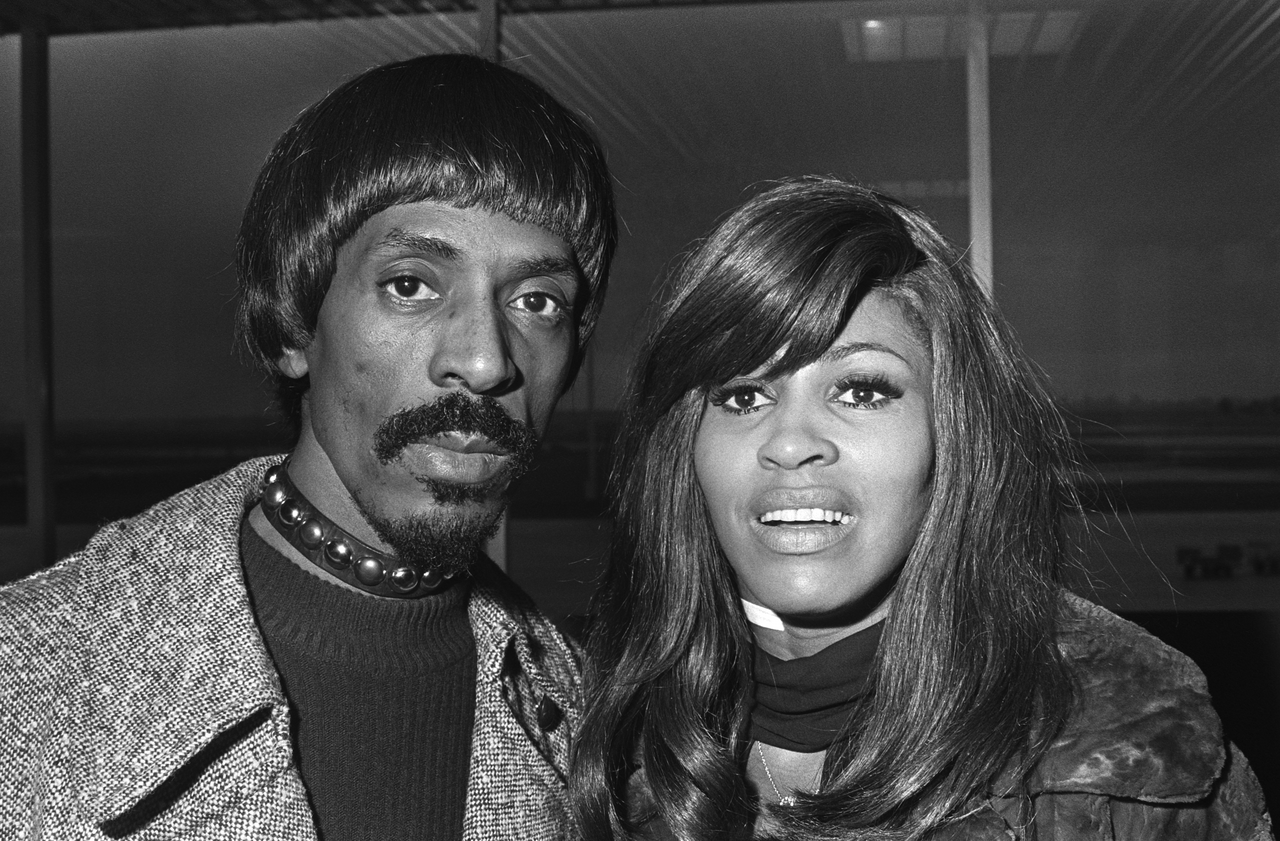
Frequently Asked Questions
What was the Ike & Tina Turner Revue?
It was a full-scale R&B and rock-and-roll stage show built around Ike Turner as bandleader and songwriter, with Tina (born Anna Mae Bullock) as the lead vocalist and dancer. Rather than a simple duo, the Revue featured a rotating cast of backup singers, dancers, and live musicians who turned every set into a theatrical spectacle.
Where and when did the Ike & Tina Turner Revue form?
The Revue took shape in the St. Louis, Missouri club scene during the late 1950s and early 1960s. It grew out of that local R&B circuit and eventually became one of the most physically commanding live acts in American popular music.
What are the Ike & Tina Turner Revue's most iconic recordings?
Their best-known tracks include 'River Deep – Mountain High' (1966), 'Proud Mary' (1971), and 'Nutbush City Limits' (1973). These songs span the group's peak commercial and artistic period from the late 1960s into the early 1970s.
Which record label was the Ike & Tina Turner Revue associated with?
The Revue's mid-1960s recordings were tied to Stax/Volt Records, the Memphis-based label known for its gritty, live R&B sound. That partnership helped cement the raw, full-band energy that became the group's sonic signature.
What genres did the Ike & Tina Turner Revue perform?
The Revue blended R&B, soul, and rock and roll into a single high-energy performance style. Their live shows leaned as heavily on choreography and stage theater as they did on the music itself.
More in Career Timeline & Eras
Elsewhere in the Tina Turner universe
Spotted an error? Know more?
This is a living reference — every entry is fact-audited, and reader corrections feed straight into our audit queue. Suggest an edit · See this site's audit record