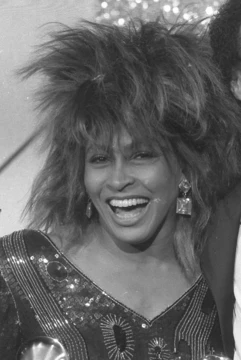
1988-89 World Tour
A woman in her late forties broke every arena on Earth and made the ground shake.

The 1988–89 World Tour was Tina Turner's sprawling, continent-spanning live spectacle that cemented her status as one of the most electrifying performers on the planet. Arriving at the tail end of her extraordinary mid-1980s comeback—propelled by Private Dancer (1984) and Break Every Rule (1986)—the tour carried her into arenas and stadiums across North America, Europe, and beyond, drawing audiences who had followed her from the Ike Turner era through her solo reinvention. For fans, this tour represents the apex of Turner's physical and vocal command on stage: a woman in her late forties delivering marathon sets of high-octane dance, raw blues-shouting, and theatrical storytelling that left crowds breathless. It was the tour that proved her comeback was not a fluke but a permanent redefinition of what a live rock-and-roll performance could be.
- Artist
- Tina Turner
- Tour span
- 1988–1989
- Scope
- Multi-continent world tour (North America, Europe, and other regions)
- Supported albums
- Private Dancer (1984), Break Every Rule (1986)
- Performance style
- High-energy live spectacle combining dance, vocals, and theatrical staging
- Cultural moment
- Peak of her mid-to-late 1980s solo comeback era
Lore & Background
By the time the 1988–89 World Tour rolled out, Tina Turner had already rewritten the script of her own career. After years of public struggle and a divorce that had nearly ended her life, she had reassembled herself into a solo force of staggering power. The mid-1980s albums had proven she could still top the charts, but it was on stage that her legend truly crystallized. The tour's setlists wove together the anthemic pop-rock of her comeback records with the older blues and R&B numbers that had defined her for decades, creating a narrative arc within each show that moved from sultry to explosive. What made the tour culturally significant was its sheer physicality. Turner was not a singer who stood at a microphone; she was a dancer, an athlete, a storyteller who used her entire body as an instrument. Audiences in London, Los Angeles, Tokyo, and dozens of other cities reported the same experience: a performance that felt less like a concert and more like a controlled storm. The production design leaned into her theatrical instincts—costumes that shifted between glamour and grit, lighting that carved her silhouette against darkness, and a band that played with the tightness of a rock group and the soul of a blues ensemble. For the fan community, the 1988–89 tour occupies a special place because it captured Turner at a particular inflection point: old enough to carry the weight of her history, young enough in spirit to still make the audience feel like the future was unwritten. It was the last time before the 1990s that she performed on this scale with that particular blend of vulnerability and ferocity, and it set the stage for the Foreign Affair era that would follow.
In Their Own Story
The arena in Munich was three-quarters full when the house lights dropped and a single spot hit center stage. She walked out slowly, one hand trailing the edge of a sequined jacket, the other gripping a microphone like a weapon she hadn't yet drawn. The crowd's murmur swelled into a roar that you could feel in your sternum. She didn't smile. She didn't wave. She simply opened her mouth and let a low, gravelly note roll out over the PA like smoke over a fire, and the room went still. Then the band kicked in, the lights fractured into red and gold, and she was gone—dancing, spinning, throwing her head back until the hair whipped across the stage, and the stillness shattered into a hundred thousand hands in the air. Some kid in the front row was crying. His mother was crying. Nobody cared. The storm was here, and it had a name.
Reader's Guide
The 1988–89 World Tour sits at the emotional crest of Tina Turner's solo career, and tracing it requires understanding what came before. By 1984, Private Dancer had detonated across the charts, and by 1986, Break Every Rule had confirmed that the comeback was permanent. The mid-80s were a period of rebuilding: new collaborators, new confidence, a stage persona that blended the raw blues of her Stax years with the polished pop-rock of her reinvention. The tour itself was a marathon across multiple continents. Musically, the setlists were a deliberate bridge—older numbers like "What You Get Is What You Make" and "Proud Mary" sat alongside the newer anthems, reminding audiences that this woman had been building this fire for twenty-five years. Personally, Turner was navigating the aftermath of a marriage that had nearly destroyed her, and the stage became both therapy and triumph. Culturally, the tour landed in a moment when women in their fifties were not expected to be the most physically dominant act in a stadium, and she made that expectation irrelevant. For a fan tracing her arc from the Stax stage to the 2009 farewell, this tour is the hinge. It is where the survivor became the icon, where the audience stopped watching a comeback and started witnessing a legacy in motion. The emotional register is pure, unfiltered catharsis—joy, defiance, and an almost aggressive generosity of spirit that made every show feel like a gift she was giving and a wound she was healing, simultaneously.
Did You Know?
- During the 1988–89 tour, Tina Turner was in her late forties, making her one of the oldest women to headline stadium-scale rock tours at that time, yet her dance routines were as physically demanding as any performer hal
- The tour's setlists deliberately wove together songs from her 1960s–70s Ike Turner era with her 1980s solo material, creating a live narrative that spanned two decades of her career in a single show.
- The mid-1980s comeback that the tour supported was built on the momentum of Private Dancer (1984) and Break Every Rule (1986), two consecutive multi-platinum albums that redefined her career after years of public struggl
- Turner's stage presence during this era was noted for its theatrical range—she could shift from a slow, smoky blues ballad to an explosive, full-body dance number within the same set, a versatility that few rock performe
Frequently Asked Questions
What was Tina Turner's 1988–89 World Tour?
It was her sprawling, multi-continent live show that carried her through arenas and stadiums across North America, Europe, and other regions. The tour rode the enormous momentum of her mid-1980s solo comeback, particularly the hits from Private Dancer and Break Every Rule.
Which albums did the 1988–89 World Tour primarily promote?
The setlist leaned heavily on material from Private Dancer (1984) and Break Every Rule (1986), while also weaving in earlier Ike Turner-era classics to keep longtime fans engaged.
What made Tina's stage performance during the 1988–89 tour so legendary?
A woman in her late forties, she delivered a nonstop fusion of powerful vocals, athletic dancing, and theatrical staging that made every arena feel like it was shaking. Fans consistently describe it as the physical and vocal peak of her solo career.
Why is the 1988–89 World Tour considered a defining moment in Tina Turner's story?
It proved that her solo reinvention was not a one-album fluke but a sustained, globe-spanning phenomenon. Selling out the largest venues on multiple continents cemented her reputation as one of the most electrifying live acts on the planet.
What was the overall vibe of the 1988–89 World Tour setlist and show design?
Rather than a simple singer-with-band format, each night was a full theatrical spectacle backed by a tight rhythm section and a troupe of dancers. The pacing moved from hard-hitting rock numbers to slower emotional ballads, giving the audience a complete emotional arc in a single evening.
More in Career Timeline & Eras
Elsewhere in the Tina Turner universe
Spotted an error? Know more?
This is a living reference — every entry is fact-audited, and reader corrections feed straight into our audit queue. Suggest an edit · See this site's audit record