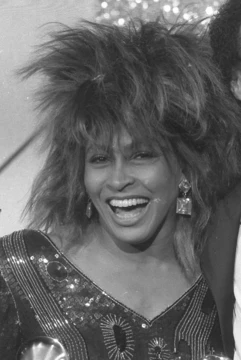
Alicia Keys
The piano-slung heir to a soul tradition Tina Turner set ablaze for the world.

Alicia Keys is an American singer-songwriter, pianist, and actress who emerged in the early 2000s as one of the defining voices of a new generation of soul and R&B. In the broader musical lineage that Tina Turner helped shape and electrify, Keys represents the next chapter: a classically trained pianist who carried the raw, gospel-tinged emotional power of the tradition into the digital age, proving that the fire Tina Turner brought to every stage could still ignite a new generation of listeners. Within the fan-kept encyclopedia of the Tina Turner universe, Keys is catalogued not as a member of Tina's touring band but as a fellow architect of the soul-and-R&B world Tina Turner helped define. Her piano-driven balladry, her unapologetic vocal power, and her insistence on writing her own material echo the same values of artistic independence and emotional honesty that made Tina Turner a global icon.
- Role
- Singer-songwriter, pianist, actress
- Genre
- R&B, soul, pop, gospel-influenced
- Nationality
- American
- Active period
- Late 1990s – present
- Signature instrument
- Piano
- Major recognition
- Multiple Grammy Awards (Best New Artist, Best R&B Album, Best Female R&B Vocal Performance, among others)
Lore & Background
Her early demos circulated in the industry before her 2001 debut album, Songs in A Minor, arrived and immediately announced a voice that felt both timeless and urgent. Tracks like "Fallin'" and "If I Ain't Got You" showcased a vocalist who could move from whispered intimacy to full-throated belting with the kind of dynamic range that fans of Tina Turner's live shows would recognize and celebrate. Her career trajectory mirrors, in a quieter register, the arc of artistic self-possession that Tina Turner embodied: writing her own songs, producing much of her own material, and building an identity rooted in personal authenticity rather than manufactured image. Keys has spoken publicly about the influence of older soul and R&B legends on her development, and the emotional architecture of her balladry—built on gospel cadences, piano-driven dynamics, and unflinching lyrical honesty—sits comfortably in the same tradition that Tina Turner's later solo work helped keep alive and relevant. Beyond recordings, Keys has been a consistent presence at major industry events, live performances, and cross-genre collaborations, maintaining the kind of stage presence and vocal commitment that fans of the Tina Turner legacy associate with the highest standard of live soul performance.
In Their Own Story
The ballroom was half-empty when the house lights dimmed and a single spotlight found the grand piano in the center of the stage. Alicia sat, hands resting on the keys, and for a long moment the only sound was the hum of the amplifiers. Then she played—three notes, a chord, a phrase that hung in the air like smoke. The audience, a mix of young fans and older souls who remembered the days of Tina's electric guitar solos and thunderous voice, leaned forward as one. She sang, and the room filled, and somewhere in the third row an older woman closed her eyes and smiled, hearing in this young pianist's voice the same unbreakable truth that had once made her weep at a concert in '78. The song ended. The silence lasted two seconds. Then the room detonated.
Reader's Guide
In the pantheon of artists who orbit the Tina Turner legacy, Alicia Keys occupies the role of the next-generation torchbearer. She is not a member of Tina's touring ensemble, nor a studio collaborator on a Tina record, but she belongs to the same musical family: the soul-and-R&B tradition that Tina Turner carried from the Stax and Motown era into the arena-rock spectacle of her solo career and beyond. Keys rose to prominence in the early 2000s, a period when Tina Turner was in the latter chapter of her career. Their paths crossed in the broader ecosystem of the music industry—shared stages at award ceremonies, mutual respect in the press, and a shared commitment to the idea that a woman's voice, unmediated and unapologetic, is the most powerful instrument in the room. For fans who grew up on Tina's "The Best" compilations and later discovered Keys' piano balladry, the connection is emotional rather than contractual: the same gospel-rooted phrasing, the same refusal to soften a high note, the same belief that a song should hit you in the chest. Keys' era is the streaming era, the era of phones in pockets, but the feeling in the room when she hits that sustained note is the same feeling a fan felt in 1984 when Tina Turner opened her mouth and the floor shook. She is, in the fan-encyclopedia sense, the proof that the tradition Tina Turner helped keep alive did not die with the vinyl era. It just changed the instrument.
Did You Know?
- Alicia Keys studied classical piano and briefly attended the Juilliard School before committing fully to songwriting and performance.
- Her 2001 debut album Songs in A Minor won the Grammy for Best New Artist, making her one of the youngest artists to receive that honor at the time.
- Keys writes and produces much of her own material, a practice of artistic self-sufficiency that echoes the independent spirit Tina Turner cultivated throughout her solo career.
- Her vocal style is heavily influenced by gospel and soul traditions, the same musical roots that underpin the sound of the era Tina Turner helped define in the 1960s and 70s.
More in Band Members & Collaborators
Elsewhere in the Tina Turner universe
Spotted an error? Know more?
This is a living reference — every entry is fact-audited, and reader corrections feed straight into our audit queue. Suggest an edit · See this site's audit record